A phone number is not just a login. It is a permanent address. Here is what that costs you in groups, spam, and quiet leaks.
Most people did not choose a phone number as their identity. The messenger chose it for them. WhatsApp made it feel normal: type the number, wait for the code, you are in. Fast. Familiar. And hard to unwind later.
Your number becomes a public doorbell
Once an app keys your account to a SIM, anyone who has that number can knock. Old classmates. A vendor who saved you from a delivery. A number that sat in a spreadsheet. You can block people one by one. You cannot un-publish a number that already travelled.
Spam is the obvious version of this. The quieter version is social pressure. If they have the number, they expect a reply. The app trained the world to treat a phone number as a chat handle.
Groups make it worse
In a typical phone-number group, members can often open each other’s profiles. A school parent group, a building WhatsApp, a wedding planning chat — you joined for logistics. You did not agree to hand the room your card.
Group calls can leak even more. Adding someone should invite a person. On number-based apps it often invites a number the rest of the room can see. That is not a small detail. It is how a private circle becomes a contact dump.
What Locksee changes
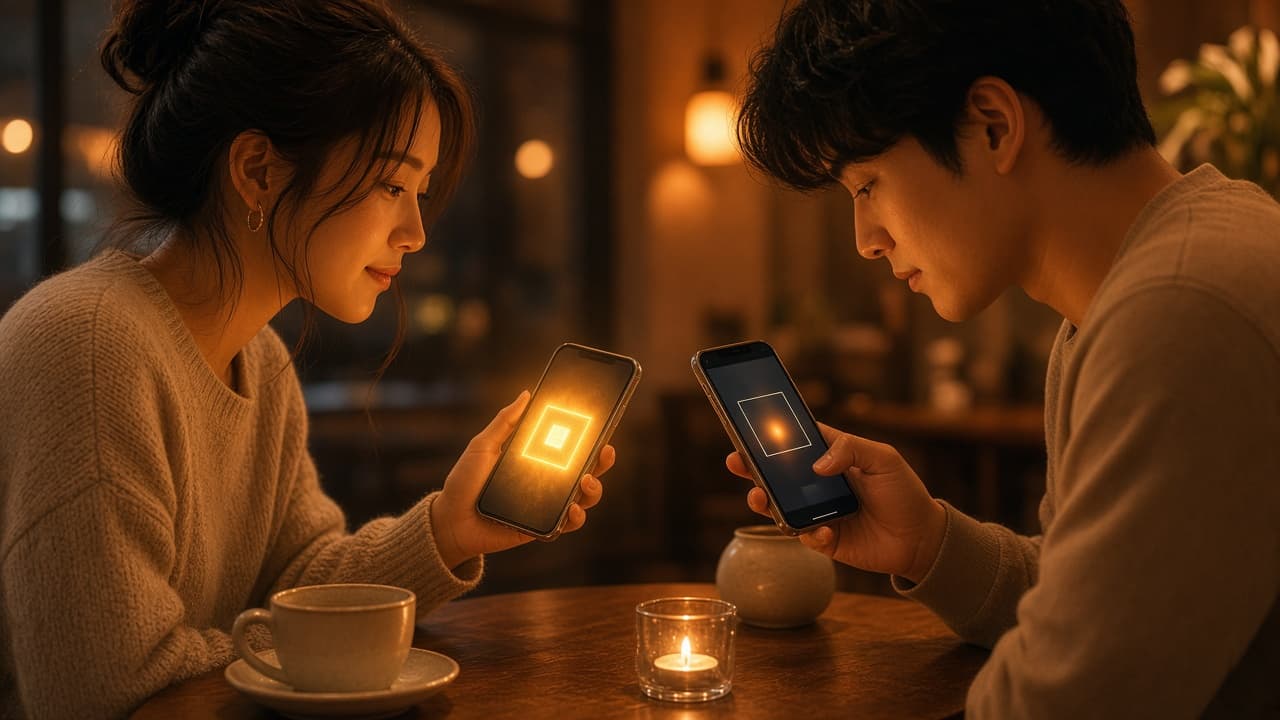
Locksee does not use a phone number to add a friend. You scan a QR. If they do not have your code, they do not have a way in. Groups and group calls are sealed: adding someone does not hand the room their number, profile, or QR.
You can also cap how many times a QR works, and you get told if someone tries to pass your code on. The doorbell is yours. You decide who gets a key, and for how long.
WhatsApp is still the default for a reason: everyone is already there. Locksee is for the chats that should never have required a SIM in the first place.
Try the controls
Flip per-chat privacy on the home page, or read the official feature list.